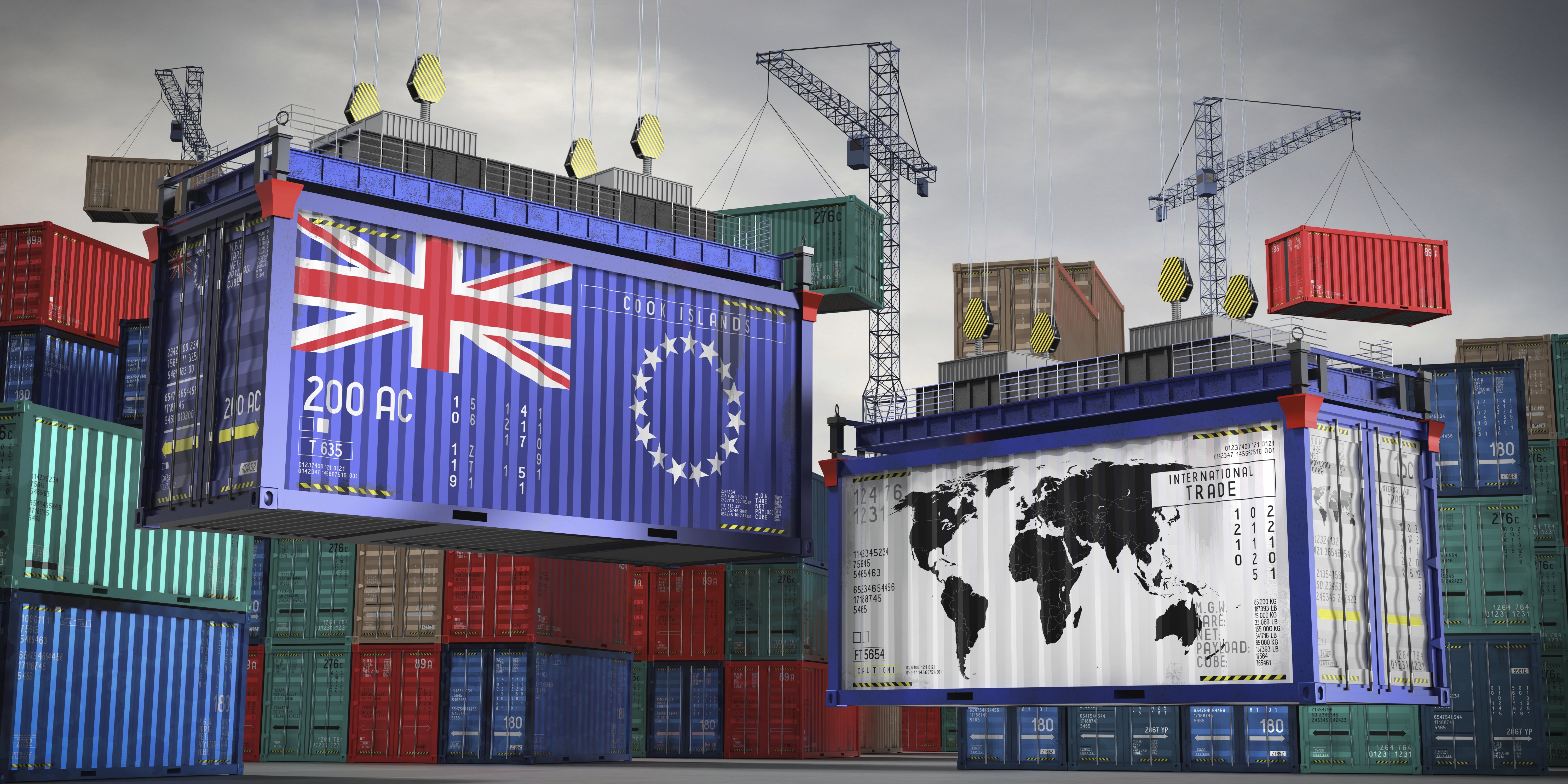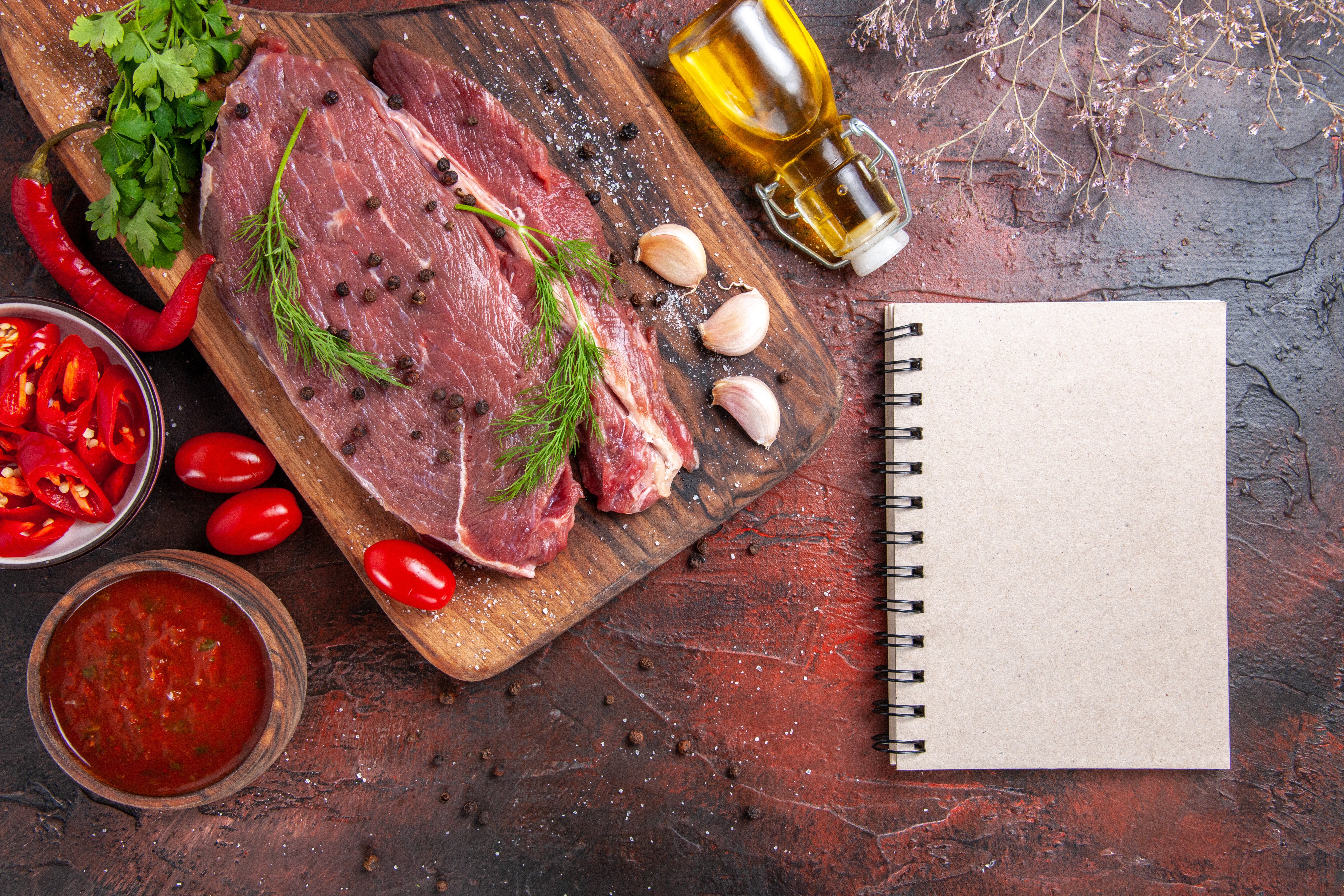


Market access is one of the biggest challenges for Australian red meat exports despite yet another year of record exports. Exporters are increasingly facing trade barriers and tariff pressures as they look for opportunities around the globe.
A new US investigation into Australian and New Zealand lamb imports following claims of economic harm has been referred to the International Trade Commission. The Australian meat industry is preparing for any outcome and remains well organized with advocacy plans and legal representation.
There are challenged with the South Korean market where Australian beef exports have triggered the safeguard threshold under the Korea-Australia Free Trade Agreement (KAFTA). Exports now attract a 24% duty for the remainder of the year.
China beef trade is equally impacted by tariff restrictions. Quota limits were reached in June which led to a 70% decline of Australian beef exports compared to May volumes. Australian beef exporter will contend with the high tariff environment before quota resets at the beginning of next year.
A different story is unfolding for Australian lamb exports that have performed strongly in recent months. Strong demand is driven by changing consumption patterns and demand for premium lamb products. Exporters must not expect unlimited growth since China is more self-sufficient in lamb production compared to beef. Demand for lamb is dependent on domestic production, local weather conditions, and price movements.
Australian exporters are looking for alternative markets in Asia to redirect product previously destined for China. Taiwan and Hong Kong offer attractive options for high value beef and lamb exports although at smaller volumes.
The main focus for Australia red meat exports will be protecting existing market access and expanding into global markets.