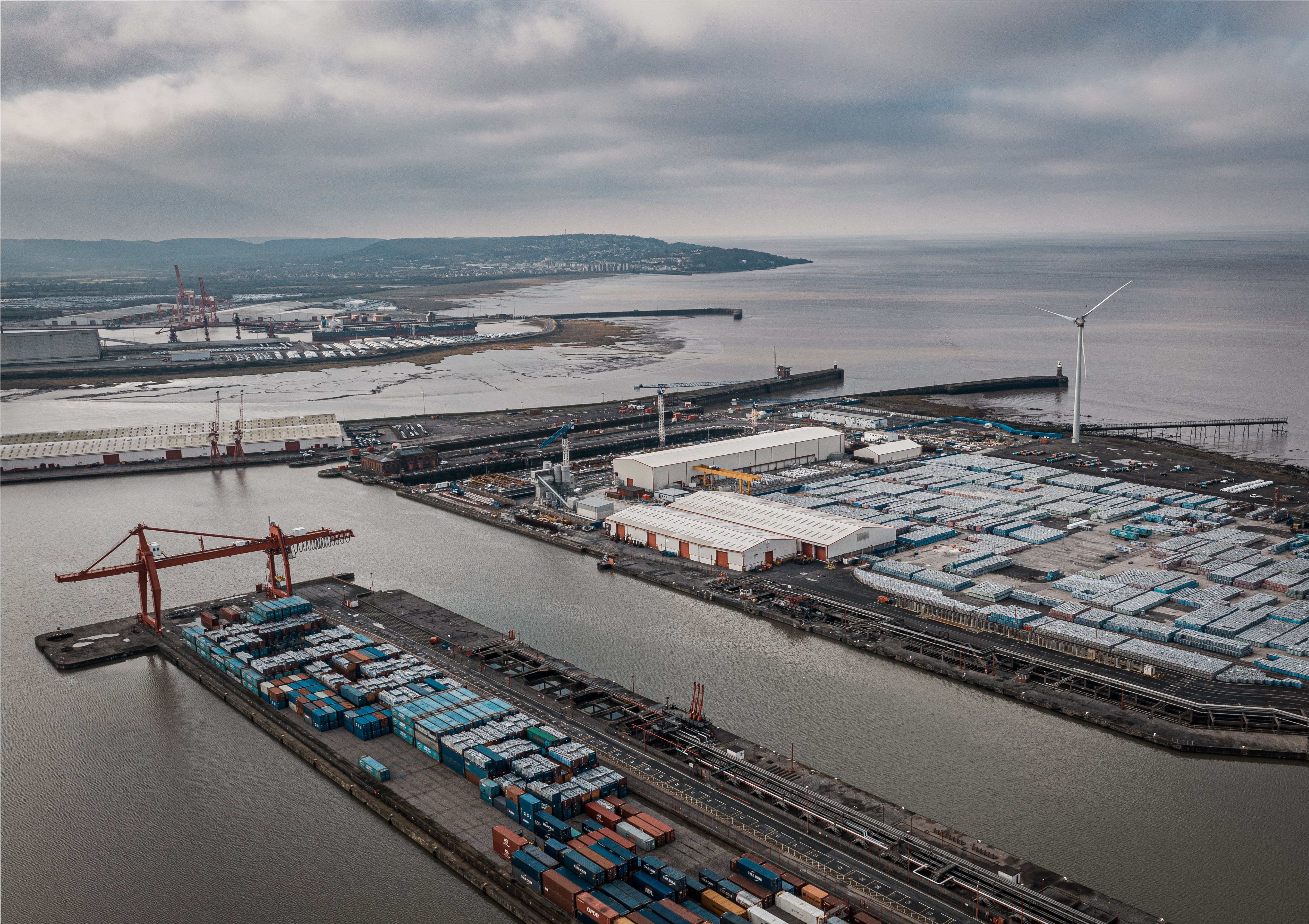

 Approximately 12% of global container capacity is tied up by port congestion. It is the highest level ever recorded, as congestion heavily impacts capacity across major shipping lanes.
With vessel supply still at a healthy level, global container shipping is not running out of container ships. Port congestion is constraining capacity in the ocean network as carriers adopt different measures to keep the cogs moving. These steps have an impact on where and when capacity is available.
Congestion has severely affected schedule reliability as factors such as typhoons, vessel bunching, Panama Canal restrictions, and the Middle East crisis worsen the situation. Carriers have omitted port calls in Asia due to a series of typhoons, while congestion and long backlogs at major transshipment hubs create missed connections. Port omissions are more disruptive than planned blank sailings.
Congestion at different terminals has complicated the repositioning of empty containers within the ocean network.
Shippers are compelled to plan extensively to navigate through port selection, container availability, transshipment exposure, and the ability of carriers to recover schedules or maintain schedule reliability.