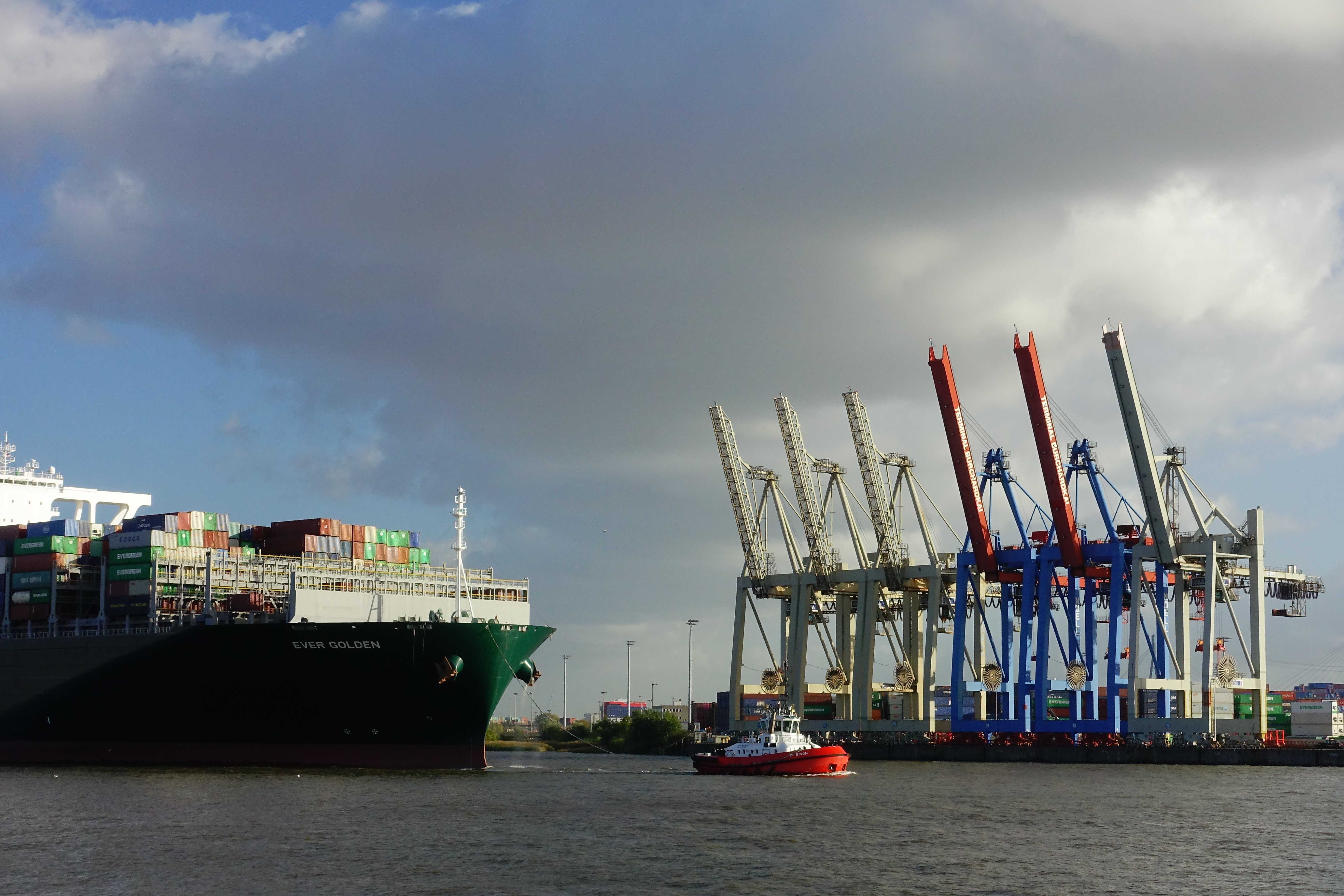


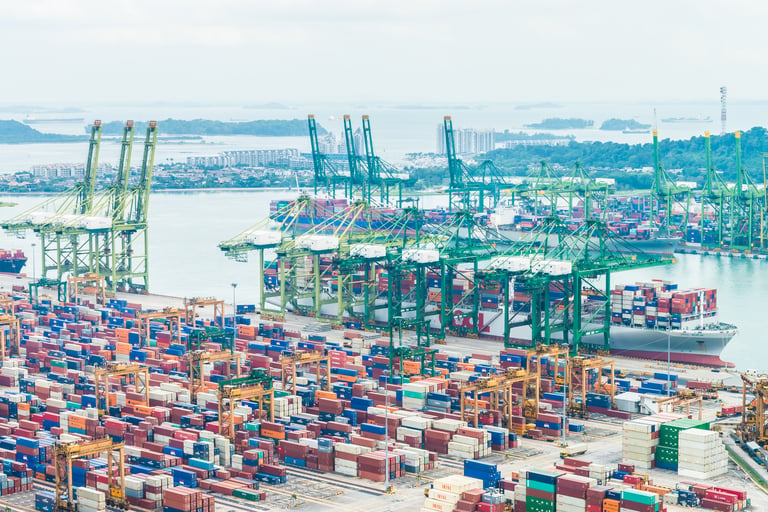
Port congestion is a never-ending challenge for the container shipping market. Vessels have to spend more and more time waiting for the next available berth.
Congestion has led to the deterioration vessel waiting times and shipping schedule reliability. These are two critical factors in the global container shipping market.
Typhoons have affected Chinese ports making vessels wait for an average 3.6 days for a berth spot. Climate conditions are creating immediate backlogs but the greater concern is how quickly a port can recover.
Average waiting times for container ships have doubled from between 2019 and 2026. Average time that container ships spend at port has increased b 31% between 2019 and 2026. The extra time translates into vessel delays, missed connections, rolled bookings, and uncertain delivery dates.
Congestion at ports around the world is attributed to insufficient container port capacity. Container volumes have increased by 28% whereas terminal capacity has increased by 21% between 2019 and 2026. Pressure on existing infrastructure at a time ports are operating at high utilization leads to congestion. With high utilization levels, ports struggle to handle a small disruption.
Australian importers and exporters must be aware that congestion overseas will have far reaching consequences even back home. Vessel delays may mean containers miss planned connections, are rolled to another sailing, and changing arrival dates.
Importers and exporters need to predict impending congestion before it occurs by identifying area of exposure in the supply chain. Planning will help build resilience and flexibility that balance competing priorities.